
From the Royal Ballet School to Rewriting the Rulebook
Seven years of classical training. A professional career on stages across three continents. Now all of it channelled into teaching ballet the way it should’ve been taught the whole time.
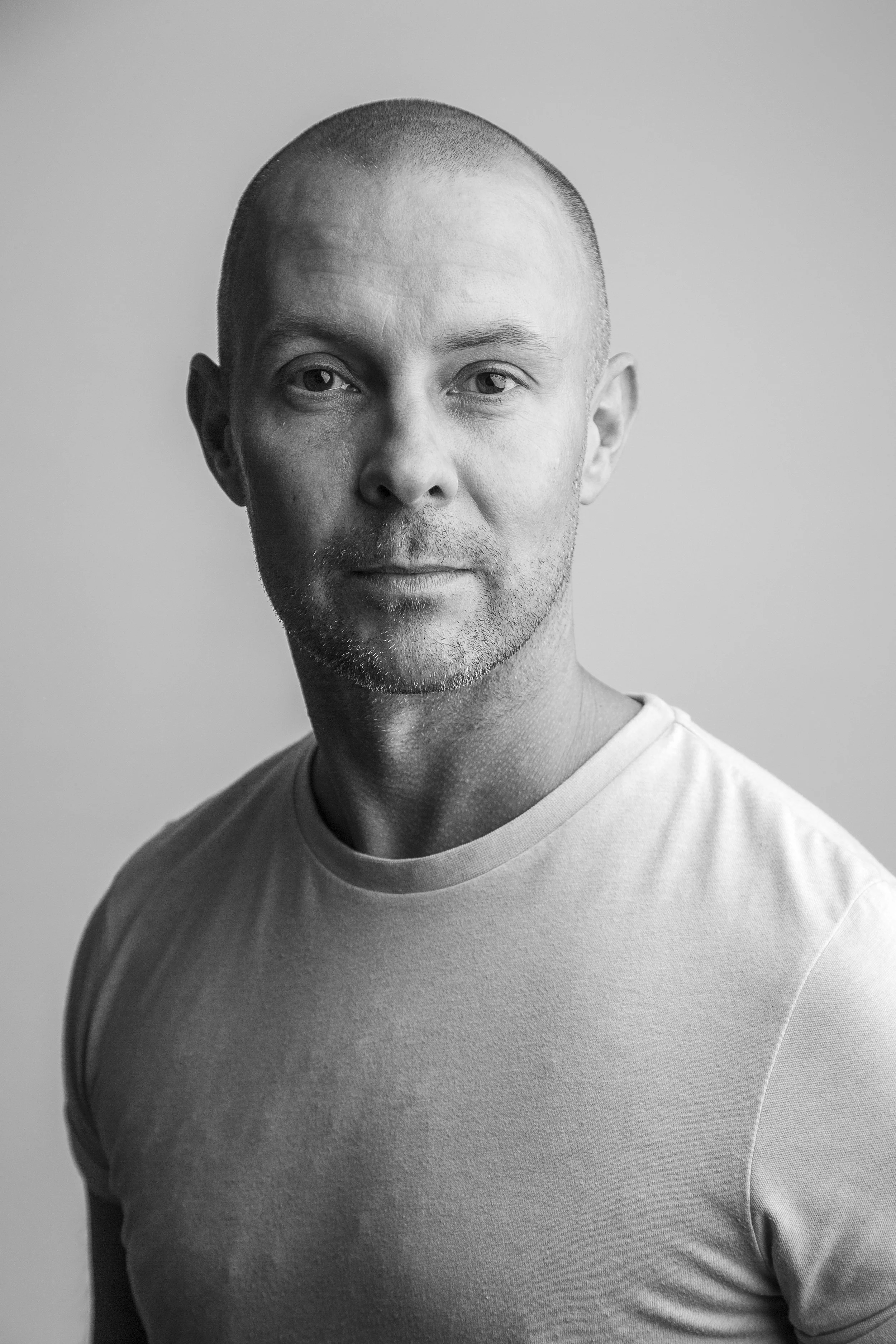
Martin Howland is a former principal dancer, current ballet teacher, and founder of HowlyBallet. He trained at the Royal Ballet School from age 11, danced professionally across Europe, Japan, and South Africa, and has spent the years since turning everything he learned on stage into a completely different way of teaching class.
You know the old story: silent studios, teachers who scare more than they teach, suffering worn as proof of seriousness. HowlyBallet exists to prove that wrong. No fear tactics, no silence for silence’s sake — classes run to a modern soundtrack and technique gets explained rather than barked, while the training underneath stays as serious and classical as it gets. Discipline without the damage. Elite without the ego.
The Performing Career
Martin grew up in Brighouse, West Yorkshire, and started dancing at the Elwyn School of Dance before auditioning successfully for the Royal Ballet School at 11 — training there for seven years across the lower and upper schools.
His first professional contract took him to Düsseldorf with Deutsche Oper am Rhein, followed by further contracts in France and a return home with London City Ballet. A change of pace saw him take on the role of Slavemaster in Cameron Mackintosh’s Phantom of the Opera, before a move to the Far East and three years with K-Ballet in Japan.
From there, Martin worked as a guest principal dancer across Japan, Europe, and Cape Town, South Africa — before bringing the curtain down on performing and coming home to the UK.
From the Stage to the Studio
Teaching started finding Martin before his performing career had even ended — working with schools, companies, and, most notably, the lead performers of the West End’s Billy Elliot, training the next generation through to their own show-ready standard.
In 2011, Martin co-founded Renaissance Arts and the Scholars in Leeds, running it for thirteen years until 2024 — a significant chapter in shaping the teacher he’d go on to become. From 2024 to 2026, he then spent two years at Addict Dance Academy.
That work is where his teaching philosophy really took shape: that classical training doesn’t have to come wrapped in fear to be taken seriously. Every class Martin teaches now — whether online, in person, or through personalised video feedback — is built on that same idea. Real technique, delivered without outdated teaching methods, to a modern soundtrack, with progress you can actually see.
How Martin Teaches
Motivation, enthusiasm, and critique aren’t treated as separate tools here — they work together. Martin uses energy and encouragement to keep students genuinely engaged, and honest, detailed critique to sharpen technique, deliberately combining the two so students start correcting themselves rather than just waiting to be corrected. That’s the goal in every class: not a room of dancers following instructions, but one where each student is learning to see and fix their own technique — building a class that feels balanced, empowered, and properly cohesive, not one-directional.
It’s never been about perfect. Martin’s mantra, in every class with every student, is development — the smallest fraction of improvement, turned into something sustainable, with a real strategy to keep building on it.
Where His Dancers Have Gone
Martin’s first proper coaching job came coaching the lead and development boys of the West End’s original production of Billy Elliot — young performers who didn’t just carry the show, but went on to build real careers afterwards. Since then he’s trained dancers who’ve landed West End and touring contracts across the UK and worldwide, places in ballet companies, and roles spanning musicals, plays, and dance productions right through to Broadway.
None of that happens alone. Training a dancer to a professional standard is a relay, not a solo act — it starts with whoever first put them in a studio, and runs through every coach and choreographer they meet along the way, and Martin sees himself as one part of that chain, not the whole of it. What matters most to him isn’t the credits. It’s whether those dancers came out the other side happy, grounded, and living good lives, because careers change and sometimes end early — through injury, or just life — but who they became along the way doesn’t.
The same goes for the adults who’d never trained before and worked their way into becoming strong, capable dancers later in life — some have gone on to perform professionally, but most simply wanted to dance well and enjoy it. For Martin, that’s just as much the achievement.
A Career Built Across the Industry
Beyond his own schools, Martin has worked extensively as a consultant, adjudicator, and expert instructor for dance associations and events nationwide and internationally, including Can You Dance and Move It, alongside leading summer schools and masterclasses for other schools across the country and abroad. That breadth — working with so many different students, teachers, and organisations over the years — is a large part of what shaped the HowlyBallet approach.
Ballet Is for Everyone
Classical ballet has spent a century deciding who’s “allowed” to do it — built around one narrow body type, one narrow standard, and a lot of exclusion dressed up as tradition. Martin doesn’t teach that way. Shape, size, ethnicity, joint mobility, natural turnout — none of it decides who gets to train. The only real entry requirement is a willingness to work hard and a genuine want to improve. Ballet was never supposed to belong to a select few, and HowlyBallet exists to prove that, regardless of how anyone was born.
Also Behind Project Resurgence
Alongside HowlyBallet, Martin co-founded and runs Project Resurgence C.I.C, a community interest company based in a purpose-built studio in Bradford’s city centre.
Project Resurgence hosts live associated dance training every week, on Mondays, Thursdays, Fridays, and Sundays. Places are audition-only, built for dancers seeking advanced training who want to take their classical technique to the highest level possible.
From September, with the new academic year, that mission extends further with a dedicated outreach programme: every Tuesday, for 30 weeks of the year, Martin and a strength and conditioning coach will deliver completely free ballet and strength and conditioning training to children aged 7 to 12 from disadvantaged communities across Bradford. No cost, no barriers to entry.
Classical ballet has a reputation for being elite in the worst sense of the word — inaccessible, exclusive, closed off to most people who might love it. That’s the narrative Project Resurgence exists to change: giving young dancers real opportunity, real health benefits, and a genuine route into theatre, sport, or the arts, regardless of their background.
Visit Project Resurgence
TRAIN HARD
PERFORM EASY
Ready to Train With Martin?
Book a class, arrange a masterclass visit, or follow along on social for the day-to-day.